Author: webmaster

  • What Is the Best Way to Communicate During a Separation, Divorce, or Living-Apart Relationship?

    What Is the Best Way to Communicate During a Separation, Divorce, or Living-Apart Relationship?

    When a relationship changes, one of the hardest questions is often not just what should be said, but how it should be said.

    People going through separation, divorce, or a living-apart relationship often ask the same kinds of questions: Should communication be in writing? How do I keep things calm? What if children are involved? How do I say something serious without making things worse? Family-law and separated-parent guidance shows these are common concerns, especially where communication can easily become emotional or conflict-heavy.

    There is no single perfect medium for every situation. Phone calls, in-person conversations, emails, and messages can all have their place. But for some types of communication, especially when the topic is sensitive or important, a physical letter offers something unique: more thought, more formality, more space, and often a clearer sense of intention.

    This guide answers the questions people commonly ask and explains where physical letters can be especially helpful.

    Why does the method of communication matter during separation or divorce?

    Because the medium affects the tone, speed, and structure of the conversation.

    In family disputes, written correspondence remains a main method of communication, and professional guidance stresses that its impact can be significant. Resolution specifically advises considering who the recipient is and what you hope to achieve before sending correspondence. Cafcass guidance also emphasizes communication that reduces conflict and keeps focus on children’s needs where children are involved.

    That is why the method matters. Some forms of communication are fast and practical. Others are better for carefully phrased, more reflective communication. A physical letter can be useful when the goal is not speed, but clarity and thoughtfulness.

    Should important separation or divorce communication be in writing?

    Often, written communication is helpful because it creates clarity and reduces the chance of a conversation being forgotten or misremembered.

    Resolution’s guidance explicitly notes that written correspondence, including letters and emails, is still a main method of communication in family disputes. Cafcass also provides written planning tools such as Our Child’s Plan, which helps separated parents agree practical arrangements in writing.

    A physical letter is one form of written communication that can feel more deliberate than a quick message. It may be especially suitable when you want the communication to feel more measured, more carefully framed, or more respectful in presentation.

    What is unique about a physical letter in this situation?

    A physical letter changes the pace and feel of the exchange.

    It usually takes more intention to write and send. It arrives as a standalone communication rather than as one more notification in a crowded inbox or message thread. That can make the message feel more thoughtful and more substantial.

    The unique strengths of a physical letter often include:

    • a more deliberate tone
    • a calmer pace
    • clearer presentation
    • a stronger sense of formality when needed
    • something tangible that can be kept and reread
    • a more memorable impression than a quick digital exchange

    That does not mean other methods are bad. It simply means that a posted letter can be especially well suited to moments where care, presence, and reflection matter.

    Can a physical letter help keep communication calmer?

    Sometimes, yes.

    One of the most useful things about a physical letter is that it naturally slows communication down. Guidance for separated parents repeatedly stresses the importance of not reacting in ways that escalate conflict and of maintaining positive or neutral communication where possible. Cafcass advises parents not to mirror negative behaviour, while family-law guidance also recommends stepping back when communications become heated.

    A posted letter creates more space between reaction and response. It gives the sender time to write more carefully, and it gives the recipient time to read and reflect before answering. In emotionally difficult situations, that slower pace can make correspondence feel less chaotic and more thoughtful.

    How do I say something serious without making things worse?

    A good rule is to aim for communication that is calm, clear, and focused.

    Resolution’s guidance says correspondence should be written with the recipient and purpose in mind, while Cafcass encourages communication that reduces conflict. Practical family-law commentary also regularly advises keeping written communication civil and focused.

    A physical letter can help here because it encourages a more composed style. It gives you room to structure your thoughts, use short paragraphs, and avoid the rushed tone that sometimes comes with immediate replies.

    In most cases, the strongest letters in this context are:

    • respectful
    • concise
    • clear about the point being made
    • free from sarcasm or blame-heavy language
    • focused on one issue at a time

    Is a physical letter too formal for a personal relationship issue?

    Not at all.

    A letter does not have to sound legalistic or cold. It can be warm, simple, and human. The value of a physical letter is not just formality. It is the sense that the message was given real thought.

    That can be particularly helpful in separation or living-apart situations where someone wants to communicate something important clearly, but without the rushed feel of a quick exchange.

    What if children are involved?

    If children are involved, communication should stay as child-focused as possible.

    Government and Cafcass resources for separated parents consistently emphasize reducing conflict, focusing on children’s needs, and avoiding using children to pass messages between parents. Cafcass also encourages parents to work together on written plans covering communication and practical arrangements.

    In that context, a physical letter may be helpful when communicating something important that affects arrangements, boundaries, routines, or a serious family matter, provided the tone stays constructive and child-focused.

    Can a physical letter help me keep a better record?

    Yes, that can be one of its practical benefits.

    A posted letter gives you a clear piece of correspondence that can be retained as part of your own records. That said, if family court proceedings are involved, privacy rules matter. UK guidance explains that there are strict rules around sharing information from family proceedings, particularly where children are involved, and in some cases sharing identifying information can lead to serious consequences.

    So it makes sense to keep your own important correspondence organized, while being careful not to share sensitive family-court material more widely than permitted.

    When might a physical letter be especially appropriate?

    A physical letter may be especially suitable when:

    • the topic is sensitive or personal
    • you want the message to feel more thoughtful
    • you want to avoid rushed back-and-forth
    • you need to explain something clearly
    • you want the communication to feel properly presented
    • you want a message that can be kept and referred back to

    These are often the moments where the unique strengths of a physical letter are most valuable.

    When is a letter not enough on its own?

    A physical letter is a communication tool, not a substitute for legal advice, mediation, or safeguarding.

    If the situation involves domestic abuse, coercive control, intimidation, or fear for safety, the priority should be specialist help and protection. UK government guidance says to call 999 in an emergency and provides routes to domestic abuse support. Cafcass and government resources also highlight mediation and other family support options where appropriate.

    So, what is the best medium during separation or divorce?

    The honest answer is that different communication methods suit different situations.

    But when the moment calls for more thought, more care, and a slower pace, a physical letter offers something distinct. It can make communication feel less reactive, more deliberate, and easier to reflect on. In sensitive family situations, that can be a real advantage.

    How SendDoc helps

    Once someone decides that a physical letter is the right medium, the practical part can still be a barrier.

    Printing, envelopes, formatting, and posting are often the very things that delay important communication.

    SendDoc helps make that easier. We help people send professional physical letters without needing to print at home or go to the Post Office. So if you want your communication to feel thoughtful, clear, and properly presented, SendDoc helps turn your words into real post.

    Final thoughts

    People going through separation, divorce, or living apart are often looking for the same thing: a way to communicate important things without adding more confusion or conflict.

    That is why the method matters.

    A physical letter will not be right for every situation, but it has qualities that can be especially useful in difficult personal circumstances. It slows the pace, adds thoughtfulness, and creates a more tangible, deliberate form of communication.

    And when that is the kind of communication you want to send, SendDoc makes it easier.

  • How to Write a Physical Letter: Structure, Addressing, and How to Keep Your Message Clear and Concise

    How to Write a Physical Letter: Structure, Addressing, and How to Keep Your Message Clear and Concise

    In a world of emails, messaging apps, and instant notifications, writing a physical letter can feel unfamiliar to many people. Yet letters still matter. They feel more intentional, more personal, and often more memorable than digital communication.

    Whether you are writing to a friend, family member, former colleague, business contact, landlord, school, or organisation, a well-written physical letter has a unique impact. It shows effort. It slows communication down in a good way. And when written properly, it helps your message come across clearly and respectfully.

    For many people, though, one question remains: how do you actually write a proper physical letter?

    Do you need a formal structure? Where does the address go? How long should the message be? And how do you keep it clear without sounding cold?

    This guide breaks it all down, from letter structure and envelope addressing to practical tips for writing clearly and concisely. It is designed for everyday people who want to send a letter that feels thoughtful, professional, and easy to understand.

    Why Physical Letters Still Matter

    A physical letter creates a different experience from a text or email. It is tangible. It can be opened, held, reread, and kept. That alone makes it more memorable.

    Letters are still useful for many situations, including:

    • personal messages that deserve more thought
    • letters to old friends or relatives
    • thank-you notes
    • apology letters
    • formal requests
    • letters to businesses or organisations
    • official correspondence
    • special greetings and seasonal messages

    Because a physical letter feels more deliberate, it often carries more emotional weight. That is one reason posted letters are still widely used for both personal and professional communication.

    The Basic Structure of a Physical Letter

    A good letter does not need to be complicated. In most cases, it should follow a simple and familiar structure.

    Formal letter guidance commonly includes these parts: the sender’s address, the date, the recipient’s address, a salutation, the body of the letter, a closing, and a signature. Purdue OWL’s business letter guidance also recommends matching the salutation to the name used in the inside address and keeping the structure clean and readable.

    Here is the basic structure:

    1. Sender’s Address

    This is your address, usually placed at the top of the letter.

    In personal letters, this helps the recipient know where the letter came from and how to reply. In formal letters, it also gives the communication a proper structure.

    2. Date

    Add the date below your address.

    This is useful for reference, especially in formal or important correspondence.

    3. Recipient’s Address

    Below the date, write the name and postal address of the person or organisation receiving the letter.

    This section is sometimes called the inside address in formal letter writing.

    4. Salutation

    This is your greeting.

    Examples include:

    • Dear James,
    • Dear Mrs Carter,
    • Dear Customer Service Team,
    • To Whom It May Concern:

    For formal letters, Purdue OWL notes that using the same name as the inside address is standard practice, and a colon is traditional in formal business-style letters.

    5. Opening Line

    Start clearly. Say why you are writing.

    This helps the recipient understand the purpose of the letter straight away.

    6. Main Body

    This is where you explain your message. Keep it organised and focused.

    If the letter is short, one or two paragraphs may be enough. If it is more detailed, break it into short paragraphs so it remains easy to read.

    7. Closing

    End politely and naturally.

    Examples include:

    • Yours sincerely,
    • Yours faithfully,
    • Kind regards,
    • Best wishes,

    8. Signature and Name

    If you are printing the letter, sign above your typed or written name. In a more personal letter, your first name may be enough. In a formal one, use your full name.

    A Simple Letter Format You Can Follow

    Here is an easy structure that works for most letters:

    Your address
    Date

    Recipient’s name
    Recipient’s address

    Dear [Name],

    Opening: Say why you are writing.
    Middle: Explain the key message clearly.
    Closing paragraph: End warmly or state what you would like to happen next.

    Yours sincerely,
    Your name

    That is the core format. You do not need to overcomplicate it.

    How to Address a Physical Letter Properly

    Writing the letter itself is only one part of the process. The envelope matters too.

    Royal Mail says you should write the address clearly on the front and include the postcode where possible. Its guidance also emphasizes using the full name, address, and postcode on the envelope or label.

    For general envelope layout, postal services typically place:

    • the return address in the top left
    • the delivery address lower and more central on the front
    • the postage or stamp in the top right

    USPS guidance reflects the same general placement approach and states that the delivery and return addresses should appear on the same side of the envelope.

    UK Addressing Tips

    For UK mail, make sure:

    • the recipient’s full name is included
    • the building number and street are correct
    • the town or city is included
    • the postcode is accurate
    • the writing is clear and easy to read

    Royal Mail also provides postcode and address support tools because accurate addressing helps successful delivery.

    International Addressing Tips

    If you are sending a letter internationally, address formats vary by country. Royal Mail country guides show that postcode placement, city formatting, and country naming can differ depending on destination. For example, Greece and Ireland each use specific address formatting rules, and the destination country should be written clearly on the last line in capital letters. USPS also advises writing the destination country name on the last line in English for international mail.

    That matters because even a well-written letter can face delays if the envelope is addressed incorrectly.

    How to Convey Your Message Clearly

    One of the biggest mistakes people make in letter writing is taking too long to get to the point.

    A good letter should be clear from the start. The recipient should not have to guess why you are writing or what you want to say.

    GOV.UK’s guidance on writing effective letters says letters should be structured simply and written as clearly and concisely as possible. NIH’s plain language guidance similarly says clear writing tells readers exactly what they need to know without unnecessary words.

    Here are a few simple ways to do that:

    Start With Purpose

    Open with the reason for the letter.

    Instead of circling around the point, say it early. For example:

    • I am writing to thank you for your support.
    • I wanted to check in and see how you have been.
    • I am writing regarding the recent issue with my order.
    • I wanted to send you a personal note after so much time.

    This makes your letter easier to follow.

    Keep One Main Focus

    Every letter should have a main purpose. If you include too many unrelated points, the message can feel scattered.

    If necessary, write a second letter later rather than trying to fit everything into one.

    Use Short Paragraphs

    Short paragraphs make letters easier to read. They also help the reader absorb each point without feeling overwhelmed.

    Choose Simple Words

    Plain language guidance consistently recommends everyday words over long or formal wording. GOV.UK and other official style guidance encourage plain English, short sentences, and avoiding jargon where possible.

    For example:

    • use help instead of assist
    • use about instead of regarding when a simpler tone fits
    • use start instead of commence
    • use send instead of dispatch, unless formality is needed

    Simple wording usually sounds more human and is easier to understand.

    How to Keep a Letter Concise Without Losing Warmth

    Being concise does not mean being cold. It simply means respecting the reader’s attention.

    A concise letter says what it needs to say, clearly and sincerely, without adding filler.

    That matters because readers are often busy, and official writing guidance repeatedly favors efficient communication. Purdue OWL notes that traditional letters often work best when information is presented efficiently for busy readers. Plain-language guidance from NIH also supports clear, direct wording with no unnecessary expressions.

    Here are practical ways to stay concise:

    1. Decide Your Core Message First

    Before you write, ask yourself: what is the one thing I want this person to know, feel, or do?

    That answer should shape the whole letter.

    2. Avoid Repeating Yourself

    If you have already made the point once clearly, you usually do not need to say it again.

    3. Remove Unnecessary Introductions

    You do not need long lead-ins like:

    • I hope you do not mind me writing this letter to you today in order to say…
    • I am writing this letter because I would like to let you know…

    You can often shorten these to:

    • I am writing to thank you…
    • I wanted to say hello…
    • I am writing about…

    4. Leave Out Extra Detail That Does Not Help

    Include details that support the message. Remove details that distract from it.

    5. End Clearly

    Do not let the letter drift at the end. Finish with a clear closing thought, next step, or warm sign-off.

    Tips for Different Types of Physical Letters

    Not every letter sounds the same. The tone should match the purpose.

    Personal Letters

    These can be warmer and more relaxed. You can be more natural, more conversational, and more expressive.

    Professional or Formal Letters

    These should still be clear and polite, but often slightly more structured. Keep the tone respectful and focused.

    Sensitive Letters

    If you are apologising, reconnecting after a long time, or discussing something emotional, clarity matters even more. Do not try to sound overly clever. Simplicity often feels more sincere.

    Common Mistakes to Avoid

    When writing a physical letter, try to avoid:

    • making the opening too vague
    • using a long, confusing first paragraph
    • including too many topics in one letter
    • writing overly long sentences
    • sounding more formal than necessary
    • forgetting key address details on the envelope
    • leaving out the postcode
    • using unclear handwriting if the letter is handwritten

    Postal guidance stresses legibility and correct placement because these practical details affect delivery, not just presentation.

    A Short Example of a Clear and Concise Letter

    Here is a simple example:

    12 High Street
    London
    12 April 2026

    Mr Daniel Carter
    45 King’s Road
    Manchester
    M1 2AB

    Dear Daniel,

    I hope you have been well. I wanted to write and say thank you again for your support during my move last month. Your help made a stressful week much easier.

    I also wanted to check in and see how things have been with you. It has been a little while, and I thought it would be nice to reach out properly.

    Wishing you all the best, and I hope to hear from you soon.

    Best wishes,
    Sarah

    It is short, clear, warm, and easy to follow.

    Why SendDoc Makes Physical Letter Writing Easier

    Writing a good letter is one part of the process. Printing it, preparing the envelope, and posting it are the parts that often stop people from following through.

    That is where SendDoc comes in.

    SendDoc helps people send physical letters easily, without needing to print at home, buy envelopes, or visit the Post Office. Whether you are sending a personal message, a formal letter, a greeting, or professional correspondence, SendDoc helps turn your written words into real post.

    That means you can focus on writing a letter that is clear, thoughtful, and memorable, while we help make sure it gets sent properly.

    Final Thoughts

    A physical letter does not need to be long or overly formal to be effective.

    The best letters are usually the clearest ones. They follow a simple structure, use the correct address format, and say what they need to say in a direct but thoughtful way.

    If you keep your message focused, use plain language, and address the envelope properly, your letter is far more likely to be read, understood, and remembered.

    And when you are ready to send it, SendDoc makes the final step easy.

  • How to Reconnect With Someone You Have Missed for a Long Time

    How to Reconnect With Someone You Have Missed for a Long Time

    There are people we never really forget.

    An old friend who once knew everything about your life. A former colleague you enjoyed working with. A relative you always meant to check on. A past neighbour, classmate, mentor, or associate who crossed your mind many times, but somehow you never got around to reaching out.

    Life has a way of moving quickly. Work gets busy. Family responsibilities grow. Daily routines take over. Before you know it, months or even years have passed.

    Then one day, you think about that person again and wonder whether you should say hello.

    For many people, that simple act of reconnecting can feel more difficult than it should. Not because they do not care, but because modern life is full of distractions, obligations, and mental clutter. Even catching up with people you genuinely value can start to feel like one more task competing for attention.

    The good news is that reconnecting does not have to be complicated. It does not need to be perfect. And when done thoughtfully, it can become a meaningful moment that stays with someone for a long time.

    Why Reaching Out After a Long Time Can Feel Stressful

    Most people have good intentions when it comes to keeping in touch. The difficulty usually comes from overthinking the moment.

    You may wonder:

    • Is it too late to reach out?
    • Will it feel awkward?
    • Do I need to explain why I disappeared?
    • What if they do not respond?
    • What is the best thing to say?

    These thoughts are common. In fact, they are often the very reason people keep postponing contact.

    In a world where communication is instant, there can be pressure to stay constantly connected. Ironically, that pressure can make genuine connection feel harder. Quick texts, social media reactions, and occasional likes can create the illusion of staying in touch, while deeper communication quietly fades into the background.

    That is why making a sincere effort matters. A thoughtful message, even after a long silence, can be warmly received simply because it feels real.

    Keeping in Touch Does Not Need to Feel Like a Chore

    One of the biggest mistakes people make is assuming that keeping in touch must be regular, formal, or time-consuming.

    It does not.

    Sometimes, staying connected is simply about making small, kind gestures when you can. A message does not have to be lengthy or dramatic to matter. You do not need a perfect reason to contact someone. In many cases, a simple and honest greeting is enough.

    Just letting someone know they crossed your mind can be surprisingly meaningful.

    The goal is not to create another routine task. The goal is to make room for occasional, thoughtful moments of connection.

    Simple and Meaningful Ways to Keep in Touch

    There are many ways to reconnect with someone without making it feel forced.

    Say Hello Without Overcomplicating It

    The simplest approach is often the best one. A short, sincere message can reopen a connection more naturally than a long explanation.

    Something as simple as checking in and asking how they are doing can be enough to start the conversation again.

    Send Seasonal Greetings

    Special times of the year create a natural opportunity to reconnect. Christmas, New Year, birthdays, and other festive or seasonal occasions make it easier to reach out without pressure.

    A warm greeting during an important season can remind someone they are still remembered.

    Mark Special Moments

    People appreciate being thought of during milestones. Congratulating someone on a promotion, a wedding, a new baby, a new home, retirement, or another life event can make your message feel timely and personal.

    Mention a Shared Memory

    Recalling a genuine memory can make your message feel warmer and more human. It reminds the other person that your connection was real, and that it still means something to you.

    Check In Without Asking for Anything

    Some of the best messages are the ones with no request attached. Reaching out purely to say hello or send good wishes often feels more genuine than contacting someone only when you need something.

    Why a Physical Letter Makes Reconnecting More Memorable

    Digital communication is convenient, but it is also fleeting.

    Messages are skimmed, buried, swiped away, or lost in crowded inboxes. Even kind words can disappear quickly in the fast pace of modern communication.

    A physical letter is different.

    When you send a letter by post, it carries a sense of effort and intention that digital messages often lack. It tells the recipient that you took the time to write, prepare, and send something just for them. That act alone can make your message feel more sincere.

    A letter also creates a more lasting impression. It is not just read and forgotten. It can be opened slowly, held in the hand, placed on a desk, kept in a drawer, or revisited months later. It becomes a physical reminder of the connection.

    That is what makes posted letters so powerful. They turn a simple message into a memorable experience.

    The Emotional Value of Sending a Letter

    A letter often says more than the words written on the page.

    It communicates care. It communicates thoughtfulness. It communicates that the recipient was worth more than a rushed text or a quick online message.

    For someone you have not spoken to in a long time, that can matter enormously. A physical letter can soften awkwardness, add warmth, and make the interaction feel more genuine. It gives both your words and your intentions more weight.

    This is especially important when reconnecting with:

    • old friends
    • former colleagues
    • distant relatives
    • mentors
    • past neighbours
    • former classmates
    • old business associates

    In all of these situations, a letter can feel more personal, more respectful, and more memorable than a digital message.

    When Sending a Letter by Post Is the Best Choice

    A physical letter is especially effective when you want your message to stand out.

    It may be the best option when:

    • you are reconnecting after many months or years
    • you want to express appreciation sincerely
    • you want to send thoughtful seasonal greetings
    • you want to apologise or rebuild contact gently
    • you want your message to feel personal and lasting
    • you want to make someone feel genuinely remembered

    Unlike a text that can be read in seconds and forgotten, a letter creates a pause. It gives the recipient a moment to reflect, and that often makes the message more meaningful.

    Tips for Writing a Memorable Letter

    You do not need to be a perfect writer to send a meaningful letter. What matters most is honesty and warmth.

    Keep it simple. Be natural. Write as though you are speaking sincerely.

    A strong personal letter often includes:

    A Warm Greeting

    Start in a way that feels friendly and personal.

    A Gentle Acknowledgement of Time

    You can mention that it has been a while without making the entire letter about the gap.

    A Genuine Reason for Reaching Out

    Perhaps they crossed your mind. Perhaps you wanted to send your regards. Perhaps a season or memory reminded you of them.

    A Personal Touch

    Mentioning a shared memory, kind thought, or specific well wish can make the letter feel more intimate and real.

    A Warm Closing

    End with kindness and openness, whether that means wishing them well or inviting them to stay in touch.

    The best letters are not necessarily long. They are simply sincere.

    In a Busy World, Thoughtfulness Stands Out

    Today, many people are overwhelmed by notifications, obligations, and constant digital communication. Because of that, thoughtful gestures carry even more value than they used to.

    Reaching out to someone you have missed should not feel like another box to tick. It should feel human. Whether it is a quick hello, a seasonal greeting, or a heartfelt note, the act of making contact can mean more than you realise.

    And if you want to make it truly memorable, sending a physical letter remains one of the most powerful ways to do it.

    It slows things down. It adds presence to your words. It creates something the recipient can hold onto.

    Send Meaningful Letters With SendDoc

    At SendDoc, we help people send professional and memorable letters by post, without the hassle of printing at home, finding envelopes, or visiting the Post Office.

    Whether you want to reconnect with an old friend, send greetings to someone you have not spoken to in years, write to a former colleague, or simply make your message feel more thoughtful, SendDoc makes the process simple.

    You write the letter. We help turn it into real post.

    That means you can send a message that feels personal, intentional, and lasting, without the usual stress.

    If you want your words to leave a stronger impression, a physical letter is one of the best ways to do it. And with SendDoc, sending that letter is easier than ever.

    Final Thoughts

    It is never too late to reach out to someone who mattered to you.

    You do not need the perfect words. You do not need a perfect reason. You simply need a sincere intention.

    A small message can reopen a connection. A warm greeting can brighten someone’s day. And a physical letter can turn that moment into something they remember for much longer.

    In a world full of fleeting messages, meaningful post still stands out.

  • How to Send a Letter to Europe: Addressing Tips, Common Mistakes, and Delivery Advice

    How to Send a Letter to Europe: Addressing Tips, Common Mistakes, and Delivery Advice

    Sending a letter to Europe is still important for many personal and business situations.

    People still post letters to European countries for signed documents, contracts, formal notices, invoices, application paperwork, customer correspondence, and personal communication that needs to feel more official. Physical mail can also be easier to retain, file, and take seriously than email. Royal Mail’s international services for Europe typically publish delivery aims from 3 to 5 working days, depending on service type.

    This guide explains when sending a letter to Europe makes sense, how to address it properly, what mistakes to avoid, and how to make the process easier.

    Why would someone send a letter to Europe?

    People send letters to Europe for many practical reasons.

    A business may need to send a contract, invoice, signed letter, complaint response, compliance document, or account paperwork. An individual may need to send identity documents, declarations, supporting forms, legal correspondence, or a personal letter that carries more weight than an email.

    In many cases, a physical letter is useful because it feels more formal, more deliberate, and easier for the recipient to recognise as important. That is especially true for official communication, customer correspondence, and paperwork that may need to be printed, signed, or stored.

    When is a physical letter better than email?

    A physical letter is often better than email when the communication needs to feel formal or difficult to ignore.

    That can include:

    • business correspondence
    • signed or printed documents
    • complaint letters
    • legal or administrative notices
    • paperwork for landlords, tenants, employers, or suppliers
    • customer communication where presentation matters

    Email is fast, but it can be buried in a crowded inbox or filtered out. A posted letter often feels more intentional and more credible.

    How do you address a letter to Europe?

    The most important rule is to write the address clearly, fully, and in the format expected by the destination country where possible.

    For international items, Royal Mail says the country name should be written on the last line in capital letters. UPU guidance says the destination country must be on the last line, in full, preferably in capital letters, and that international addresses should be written legibly in Roman letters and Arabic numerals.

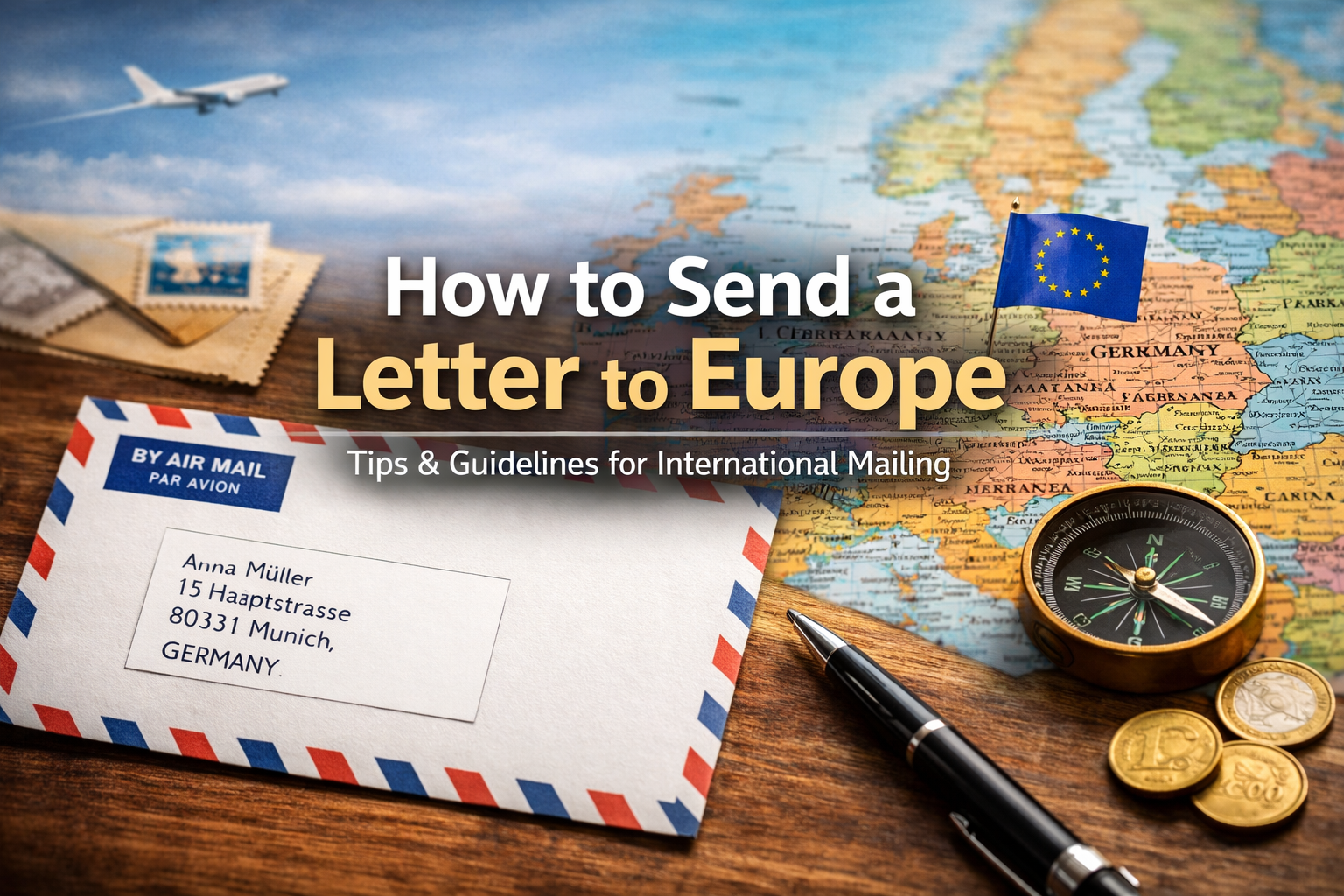
    A typical format is:

    Recipient Name
    Building number and street name
    Apartment, suite, or unit if needed
    Postcode and town/city
    COUNTRY

    For example:

    Maria Jensen
    12 Example Street
    Apartment 4
    2100 Copenhagen
    DENMARK

    What is the correct international address format?

    The correct format depends partly on the destination country, but some rules are widely consistent.

    The destination country should appear on the final line in capitals. The rest of the address should follow the local convention of the country receiving the item. UPU guidance specifically says that, for international items, the country line is dictated by the country of origin, while the rest of the address should follow the practices of the destination country.

    That means it is a good idea to use the local country format where possible.

    For example, Royal Mail’s Germany guide says the house number should come after the street name, and the five-digit postcode should come before the town name.

    What are the best tips for sending a letter to Europe?

    Here are some of the most useful tips:

    1. Use the recipient’s full name

    Always use the full name of the person or business receiving the letter.

    2. Include the complete address

    Do not leave out apartment numbers, suite references, building names, district information, or postcodes.

    3. Put the country on the last line

    Write the destination country clearly on the final line in capital letters. This is standard international guidance.

    4. Follow the destination country’s local format

    If the recipient has provided their address in a certain format, keep it that way where possible.

    5. Use clear text

    International addresses should be legible and should preferably use Roman letters and Arabic numerals.

    6. Check the postcode carefully

    A wrong postcode can delay or prevent delivery.

    7. Review enclosed documents

    If the letter contains supporting pages, signed documents, or forms, check that everything is included before sending.

    8. Allow enough time

    Royal Mail’s Europe services often publish delivery aims around 3 to 5 working days, but those are aims rather than guarantees.

    What mistakes should you avoid when sending a letter to Europe?

    The most common mistakes are simple ones.

    These include:

    • missing flat or apartment numbers
    • incorrect postcode
    • misspelt town or street names
    • forgetting the country line
    • putting the country in the wrong place
    • rewriting the address into a format that does not match the destination country
    • unclear handwriting
    • forgetting to include all pages or attachments

    Some countries are stricter than others. For example, Royal Mail’s Germany guide notes that incorrectly written addresses may result in the item being returned without a delivery attempt.

    How should you write a formal letter to a European recipient?

    A formal international letter should be clear, professional, and easy to understand.

    State the purpose of the letter early. Keep paragraphs short. Include dates, references, and names where relevant. If documents are enclosed, say so in the letter. If the issue is important, keep a copy for your own records.

    This is especially useful for customer communication, invoices, formal notices, business relationships, and legal or administrative matters.

    Why does printed correspondence still matter?

    Printed correspondence still matters because it creates presence.

    A physical letter often feels more serious than email. It can improve presentation, support a more professional image, and make the communication easier for the recipient to retain and file.

    For small businesses, that can help reinforce trust and brand credibility. For individuals, it can make important communication feel more deliberate and more personal.

    Is there an easy way to send a letter to Europe online?

    Yes. Many people now look for ways to send letters without printing at home or visiting a Post Office.

    That is where SendDoc fits naturally into the process.

    If you already have a document ready, SendDoc makes it easier to send letters to European recipients online. Instead of handling the printing and posting yourself, you can prepare the document digitally and use SendDoc to simplify the process.

    That means the customer still benefits from all the best practices above — clear addressing, complete information, and professional presentation — without the usual inconvenience.

    Final thoughts

    Sending a letter to Europe is still useful for business, official, and personal communication.

    The key steps are simple: write the address clearly, follow the destination country’s format where possible, include the country on the final line in capitals, double-check the postcode, and review all documents before sending. Royal Mail and UPU guidance are both consistent on the importance of clear international addressing and correct country placement.

    If you want a more convenient way to send important post abroad, SendDoc now lets users send letters to Europe online.

  • The Complete Guide to Sending Official Letters (UK & International): Do’s, Don’ts, Use Cases & Why It Still Matters

    The Complete Guide to Sending Official Letters (UK & International): Do’s, Don’ts, Use Cases & Why It Still Matters

    In today’s fast-paced digital world, email and instant messaging dominate business communication. Yet official letters remain one of the most trusted, professional, and legally recognised ways to communicate with customers, suppliers, and institutions.

    Whether you are a small business owner, freelancer, or growing company, understanding how to send letters properly — both within the UK and internationally — can strengthen your brand credibility and improve response rates.

    This comprehensive guide covers best practices, common mistakes, real-world use cases, and why physical letters still play a powerful role in modern business communication.


    Why Sending Official Letters Is Still Relevant

    Despite digital convenience, physical correspondence offers advantages that email simply cannot replicate.

    Key reasons letters still matter:

    Legal recognition
    Many institutions (banks, courts, landlords, government bodies) still require formal written notices.

    Higher trust & seriousness
    Customers and partners perceive posted letters as more deliberate and professional.

    Better engagement & response rates
    Physical mail is opened and read more often than emails lost in spam folders.

    Permanent, auditable records
    Letters provide tangible proof of communication — essential for disputes or compliance.

    Brand positioning advantage for small businesses
    Professional correspondence signals reliability, maturity, and commitment.


    Common Business Use Cases for Sending Official Letters

    Customer-related correspondence

    • Payment reminders or debt collection notices
    • Service confirmations or contract updates
    • Complaint resolutions
    • Refund or cancellation confirmations
    • Legal notices (e.g., breach of terms)

    Business-to-business communication

    • Partnership agreements
    • Supplier disputes
    • Tender submissions
    • Formal quotations
    • Compliance notifications

    Regulatory & statutory communication

    • HMRC or Companies House responses
    • GDPR notices
    • Tenancy or employment notices
    • Insurance claims documentation

    Do’s of Sending Official Letters (UK & International)

    Use clear and professional formatting

    • Include your business name, address, and contact details
    • Add the recipient’s full address correctly
    • Use formal salutations (e.g., Dear Mr Smith)
    • Structure content logically

    Keep a copy for records

    Always retain:

    • A digital PDF copy
    • Proof of posting
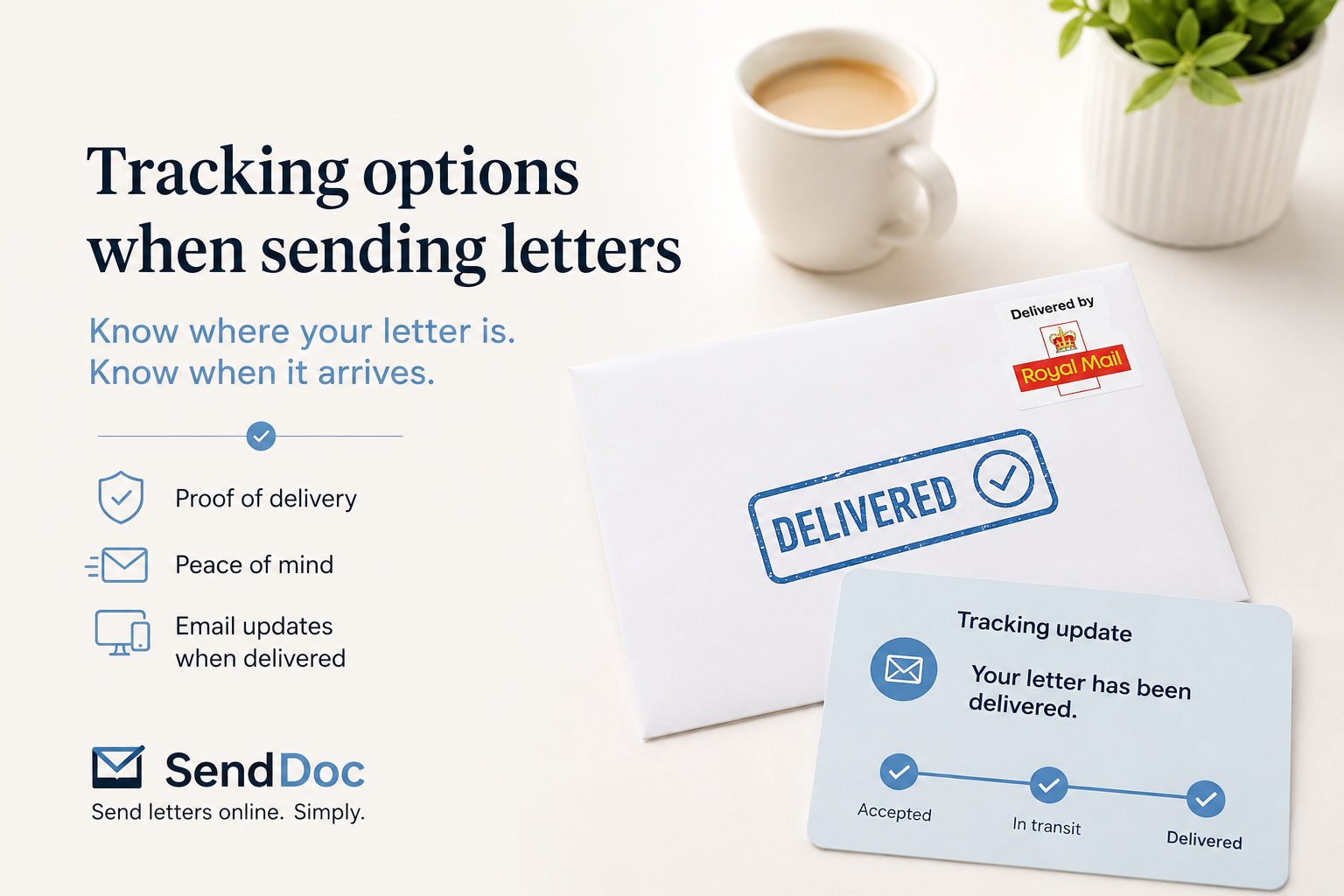
    • Tracking or delivery confirmation where relevant

    Choose the correct postage service

    In the UK, services from organisations like Royal Mail include:

    • Standard delivery (cost-effective)
    • Signed For (proof of delivery)
    • Tracked services (visibility & accountability)

    For international letters:

    • Confirm delivery timelines
    • Understand compensation limits
    • Consider customs requirements

    Mark sensitive letters clearly

    Use wording like:

    • Private & Confidential
    • For Addressee Only

    This protects both compliance and perception.

    Send letters promptly

    Delays in official communication can:

    • Damage relationships
    • Create legal risk
    • Affect cash flow

    Don’ts of Sending Official Letters

    Don’t rely only on email for serious matters

    Important notices should not depend solely on digital delivery.

    Don’t use informal tone

    Avoid slang, emojis, or overly casual language in official correspondence.

    Don’t send without verifying addresses

    Common errors include:

    • Wrong postcode
    • Old business premises
    • Missing country name for international mail

    These lead to returned mail and wasted costs.

    Don’t ignore envelope presentation

    Poor presentation can harm brand perception. Avoid:

    • Wrinkled documents
    • Overstuffed envelopes
    • Illegible printing

    Don’t skip proof of sending

    Without proof:

    • You cannot demonstrate compliance
    • Legal claims become harder to defend

    How Sending Letters Helps Small Business Branding

    Physical correspondence can become a powerful brand differentiator.

    It signals professionalism

    Customers feel reassured when they receive structured, official communication.

    It builds perceived scale

    Even a solo entrepreneur can appear highly organised and established.

    It increases memorability

    A branded envelope stands out far more than a generic email notification.

    It supports customer trust in sensitive situations

    For example:

    • Debt reminders
    • Contract changes
    • Data protection notices

    These situations benefit from the seriousness of physical mail.

    Final Thoughts: Making Letter Sending Simple with SendDoc

    In modern business, the need to send official letters hasn’t disappeared — it has evolved.
    What has changed is how businesses manage the process.

    Printing, envelope selection, postage decisions, and post office trips all consume valuable time.

    That’s where SendDoc comes in.

    ✨ With SendDoc, you can:

    • Upload your document securely online
    • Choose envelope and delivery options
    • Have your letter printed, prepared, and handed to postal services
    • Maintain professional communication without leaving your desk

    For busy professionals, remote workers, tradesmen, and growing businesses, SendDoc helps you stay compliant, look professional, and communicate with confidence — locally in the UK or internationally.

  • How to Request a “Letter of Deadlock” and Force Your Bank to Act

    How to Request a “Letter of Deadlock” and Force Your Bank to Act

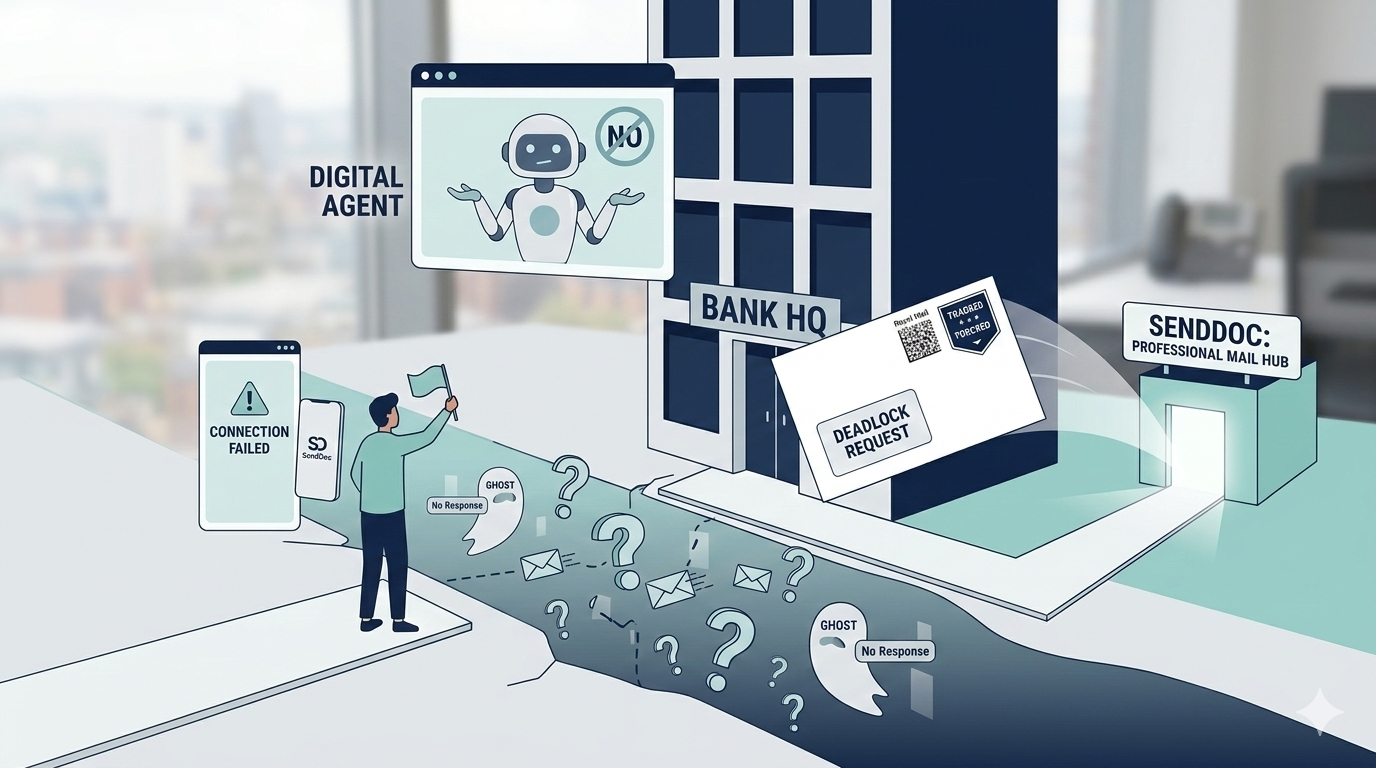
    Is your bank, energy provider, or insurance company “ghosting” your complaint? If it’s been more than 8 weeks and you’re getting nowhere, you are likely stuck in a customer service loop.

    To break free and take your case to the Financial Ombudsman Service (FOS), you need one specific document: A Letter of Deadlock.

    If the company won’t issue a Final Response, you must demand one. Here is how to do it using SendDoc—without ever leaving your desk.


    Step 1: Download the Professional Template

    We have created a pre-formatted Word/Doc template for you. This ensures your letter looks professional and includes all the legal “triggers” needed to get a response.

    👉 [DOWNLOAD THE DEADLOCK LETTER TEMPLATE ]


    Step 2: Customise Your Letter

    Open the downloaded file and fill in the bracketed information:

    • Your Details: Name, address, and account number.
    • The “impasse”: State clearly that it has been over 8 weeks since your initial complaint.
    • The Demand: You are formally requesting a “Letter of Deadlock” so you can escalate to the Ombudsman.

    Step 3: Save as PDF

    Once you’ve added your details, you need to convert the file. SendDoc requires a PDF to ensure your formatting remains perfect when printed.

    • On Google Docs: Go to File > Download > PDF Document (.pdf).
    • On Word: Go to File > Save As and select PDF.

    Step 4: Upload to SendDoc

    Now, let us do the hard work.

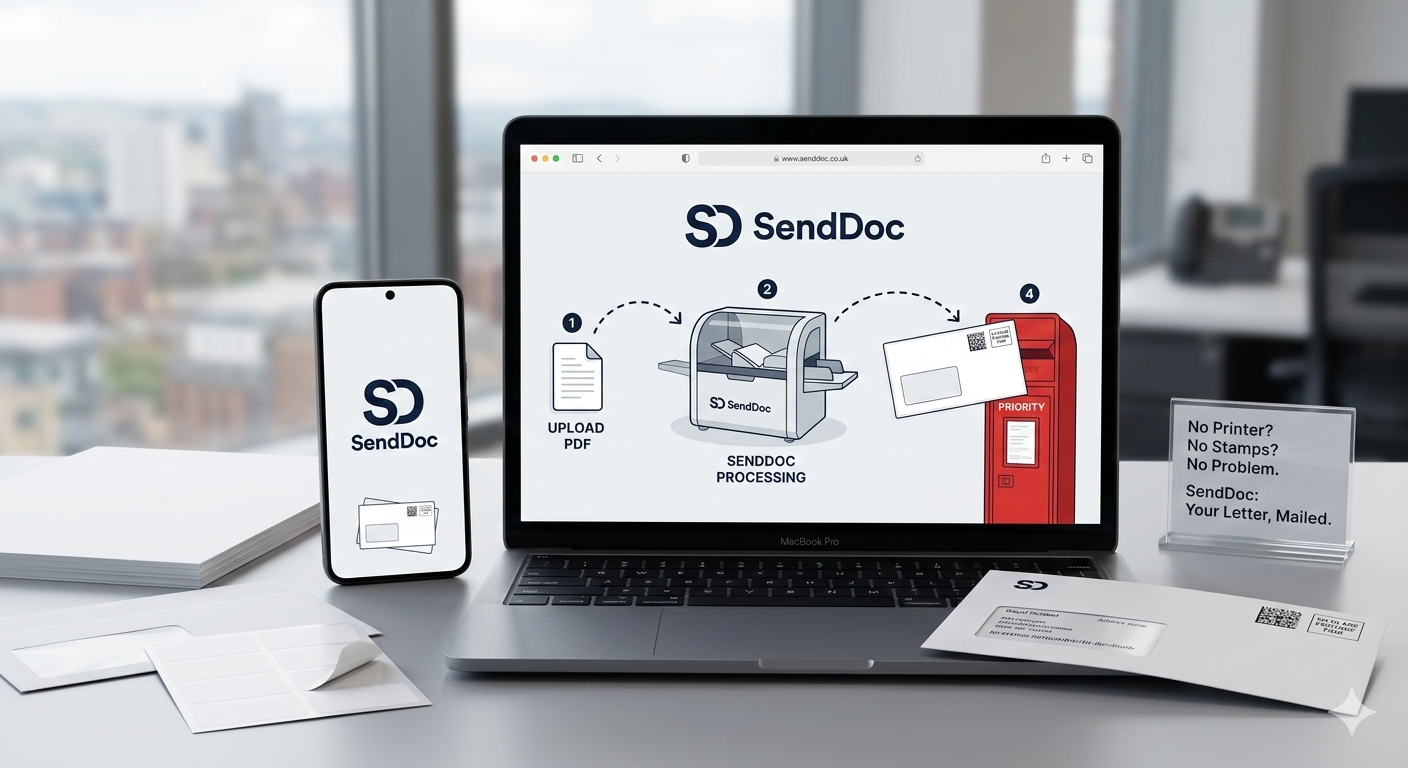
    1. Go to the SendDoc send page.
    2. Upload your newly created PDF.
    3. Enter the address of the company’s Head Office or Complaints Department.
    4. We strongly recommend the Tracked option for legal correspondence; it provides you with a delivery confirmation that is essential if you need to prove to the Ombudsman that the bank received your request.
      • We always use Premium paper to post your letter. This heavy-duty, high-whiteness paper ensures your document looks authoritative and professional when it lands on a manager’s desk.

    Why use SendDoc for Legal Correspondence?

    When dealing with a bank or the Ombudsman, proof of mailing matters. * The “Head Office” Effect: Emails are easily ignored or filtered. A high-quality, physical letter arriving at a corporate headquarters is much harder to “lose.”

    • No Printer? No Problem: You don’t need a home office to send professional mail. Create the PDF on your phone, upload it to SendDoc, and we’ll have it in the post by tomorrow morning.
    • Secure & Confidential: Your dispute is private. We ensure your documents are handled securely and confidentially.

    Pro-Tip: Where to send it?

    Don’t send this to your local branch. Look up the “Registered Office Address” on the company’s website or via Companies House. Sending your Letter of Deadlock to the official legal address carries significantly more weight.

    Stop waiting for a reply that isn’t coming. Demand a Deadlock Letter today with SendDoc.

  • Never Visit the Post Office Again: Introducing SendDoc

    Never Visit the Post Office Again: Introducing SendDoc

    In a world that’s gone almost entirely digital, the physical letter remains the gold standard for formal communication. Whether it’s a legal notice, a formal resignation, a business invoice, or a heartfelt letter to a loved one, some things simply carry more weight on paper.

    But let’s be honest: the traditional way of sending mail is broken. Finding a working printer, buying expensive ink cartridges, hunting for an envelope, and trekking to the Post Office to stand in line is a massive drain on your time.

    That’s why we built SendDoc.

    What is SendDoc?

    SendDoc is the UK’s newest, most streamlined online letter printing and mailing service. We’ve removed the friction from the post. If you have a document on your phone or laptop, you can have it printed, enveloped, and handed to Royal Mail in under two minutes.

    How it Works (The 60-Second Mailbox)

    Our platform is designed for speed. You don’t need to create a complex account or navigate a clunky interface:

    1. Upload: Drag and drop your PDF or Word doc.
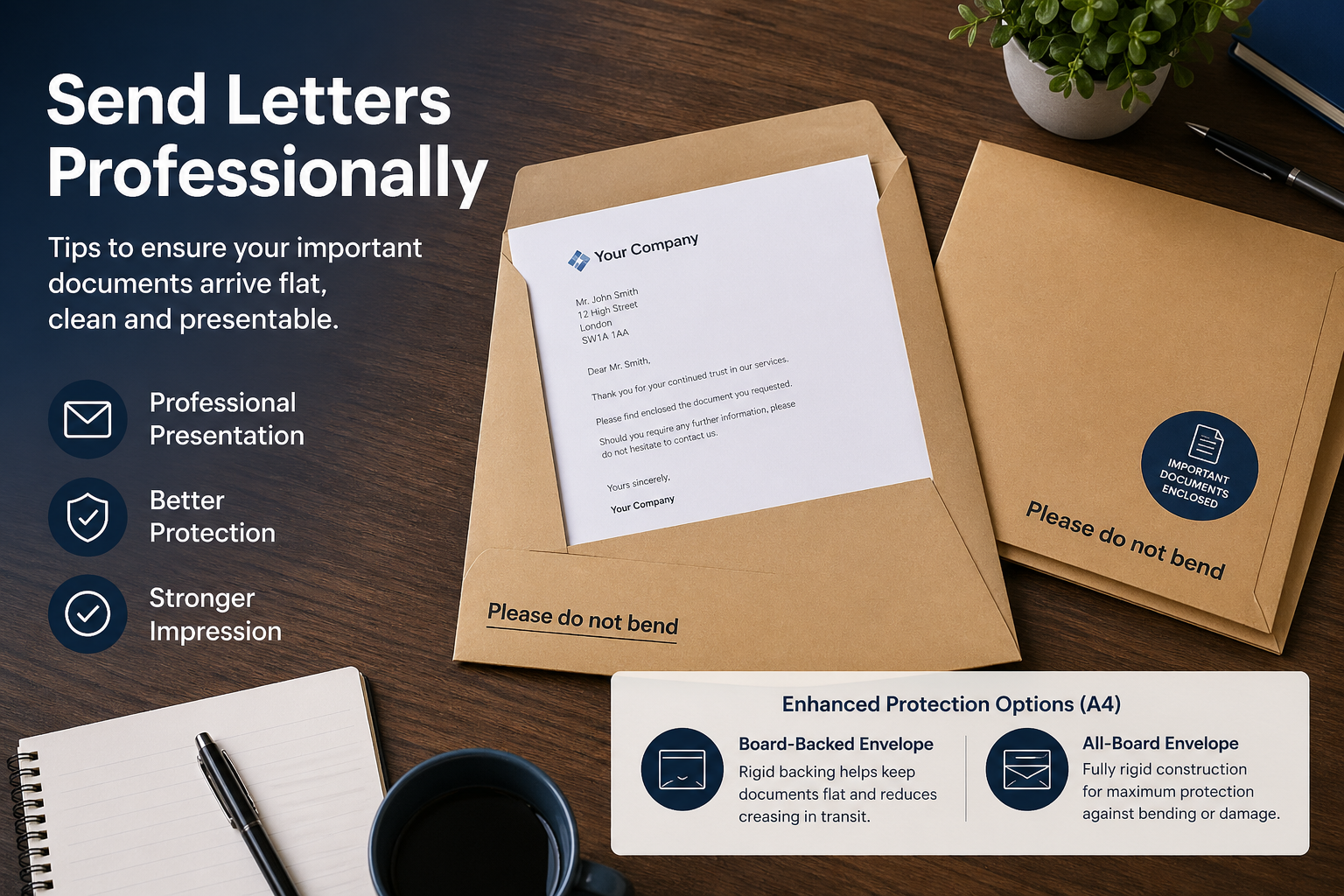
    2. Customize: Choose your envelope.(C5 Folded or A4 Flat), coloured printout or standard black and white.
    3. Address: Enter the recipient and return details.
    4. Send: We handle the printing, folding, and dispatch.

    Why Choose SendDoc Over the Post Office?

    • No Hardware Required: You don’t need a printer or a stamp.
    • Professional Quality: We use high-grade 90-100gsm paper and professional laser tech for a crisp, corporate finish.
    • Next-Day Dispatch: Orders placed before 5:00 PM are batched and handed to Royal Mail the very next working day.
    • Global Reach: Send UK domestic mail from anywhere in the world—perfect for expats and digital nomads.

    Secure, Private, and Reliable

    At SendDoc, we understand that your documents are private. Our automated workflow ensures your letters are processed securely, folded, and sealed.

    Ready to send your first letter? Stop chasing stamps and start mailing smarter.